



The Land on Which We Dance: Reclaiming the Spaces of Black Dance in St. Louis
Denise Ward-Brown, Joanna Dee Das, Michael Allen, Kirven Douthit-Boyd, Heather Beal
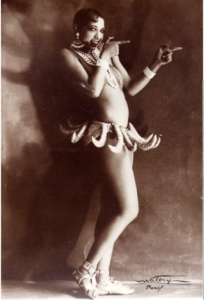
“The Land on Which We Dance: Reclaiming the Spaces of Black Dance in St. Louis” Research Working Group is inspired by the legacy of world-famous dancer Josephine Baker, who was born in St. Louis in 1906 and had a lengthy, multifaceted career as a performer and social justice activist. Ms. Baker grew up absorbing the culture of the vibrant nightclubs and dance halls of the Chestnut Valley and Mill Creek Valley neighborhoods; her future as one of the main ambassadors of jazz to the world was nurtured and developed in St. Louis. After her departure in 1920, however, the city demolished these African American neighborhoods and replaced them with highways, parking lots, and utility plants. We refuse this erasure. Our Research Working Group will investigate the early history of Black dance in St. Louis, learn about the places where such dancing happened, and begin the process of creating a metaphorical, living dance monument in the locations where Black expressive culture flourished in the early twentieth century.
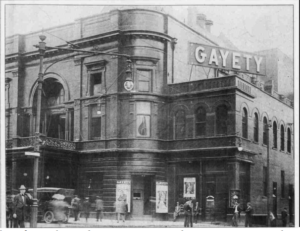
The idea originated when J. D. Das and D. Ward-Brown created a twenty-minute dance film for Washington University Dance Theatre’s December 2020 virtual concert. Our film, Seeking Josephine Baker: Dancing on the Land, featured students dancing at two St. Louis sites connected to Ms. Baker, but which in the twenty-first century bear no markings of that history: the Ameren Electric storage facility on the block where she was born, and in a parking lot at the corner of 14th Street and Locust St., where her mother Carrie McDonald danced at the Gayety Theater, torn down in 1934. To build upon this idea, our Research Working Group will focus on the trajectory and intersectional context of Ms. Baker’s life and career: looking both backward and forward. Who are the people of St. Louis whom we don’t yet know who created this vibrant early jazz culture before and during Ms. Baker’s childhood? And how did this cultural world continue, even after the demolition of Chestnut Valley and Mill Creek Valley? In addition to Ward-Brown and Das, the group includes Michael Allen, architectural historian; Heather Beal, choreographer and associate at the Black Repertory Theater of St. Louis; and Kirven Douthit-Boyd, choreographer and Director of Dance at the Center of Creative Arts (COCA).
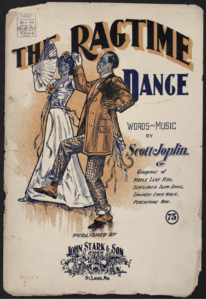
Through this process, we propose to dislodge ingrained and intersecting hierarchies of value that often discredit the body as a way of knowing alongside discrediting Black life and experience. As several scholars have documented, jazz music and dance developed together, with dancers often shaping the direction of the music. While scholars note St. Louis’ contributions to jazz music, particularly through innovations in ragtime and the blues, the historical record falls silent when it comes to dancing bodies. By combining historical research, choreography, and film, and by bringing together people from multiple St. Louis institutions, our Research Working Group will create a vibrant plan for a living monument that honors and recognizes those who danced before us on this land.
For more information on “The Land on Which We Dance” Project and Josephine Baker, please visit www.jbakerdancer.org